The Hidden Impact of Processed Food and Sugary Drinks on Liver Health
In today’s fast-paced world, convenience often comes at a cost especially when it comes to our health. Processed foods and sugary drinks have become dietary staples for many, but their long-term effects on the liver are often overlooked. The liver, a vital organ responsible for detoxifying the body, metabolizing nutrients, and regulating blood sugar, bears the brunt of our modern eating habits. Over time, poor dietary choices can significantly impair liver function and increase the risk of liver-related diseases.
Liver’s Role in Digestion and Metabolism
The liver plays a central role in breaking down food and regulating substances in the blood. It processes carbohydrates, fats, and proteins, stores vitamins and minerals, and removes toxins. When you consume food and beverages, the liver filters out harmful substances and converts excess nutrients into forms the body can use or store. However, this system can be overwhelmed by constant exposure to unhealthy ingredients, especially those found in processed items and sugar-laden drinks.
The Risk of Non-Alcoholic Fatty Liver Disease (NAFLD)
One of the most serious consequences of overconsuming processed food and sugary drinks is the development of non-alcoholic fatty liver disease (NAFLD). This condition occurs when fat builds up in the liver due to causes unrelated to alcohol consumption. Foods high in refined sugars and unhealthy fats, such as packaged snacks, sugary cereals, soft drinks, and fast food, contribute directly to this accumulation.
Fructose, a type of sugar commonly found in sweetened beverages and processed foods, is particularly harmful. Unlike glucose, which is used by many cells in the body, fructose is metabolized almost exclusively by the liver. When consumed in excess, it leads to the creation of fat within liver cells—a process that can trigger inflammation, liver scarring, and eventually more serious conditions like cirrhosis or liver failure.
Inflammation and Oxidative Stress
Beyond fat accumulation, processed foods and sugary drinks can also promote chronic inflammation and oxidative stress. These reactions occur when the liver is repeatedly exposed to artificial additives, trans fats, and high sugar content. Inflammatory signals disrupt the liver’s normal repair processes and increase the risk of liver cell damage. Over time, these effects can diminish liver function and contribute to the progression of liver disease.
Oxidative stress, caused by an imbalance between free radicals and antioxidants in the body, further damages liver cells and impairs their ability to regenerate. Many processed foods are low in natural antioxidants, making it even harder for the liver to defend itself against the damage.
Insulin Resistance and Metabolic Dysfunction
Another major consequence of consuming excessive sugar and processed food is the development of insulin resistance. This condition occurs when the body’s cells stop responding properly to insulin, leading to elevated blood sugar levels and increased fat storage. The liver plays a key role in managing glucose, and insulin resistance can disrupt this balance, increasing the liver’s fat content and worsening NAFLD.
Processed foods are often high in simple carbohydrates and low in fiber, which causes spikes in blood sugar and insulin. Over time, this pattern contributes to metabolic syndrome, a cluster of conditions including obesity, high blood pressure, and abnormal cholesterol levels all of which strain liver function and increase the risk of liver-related complications.
Conclusion
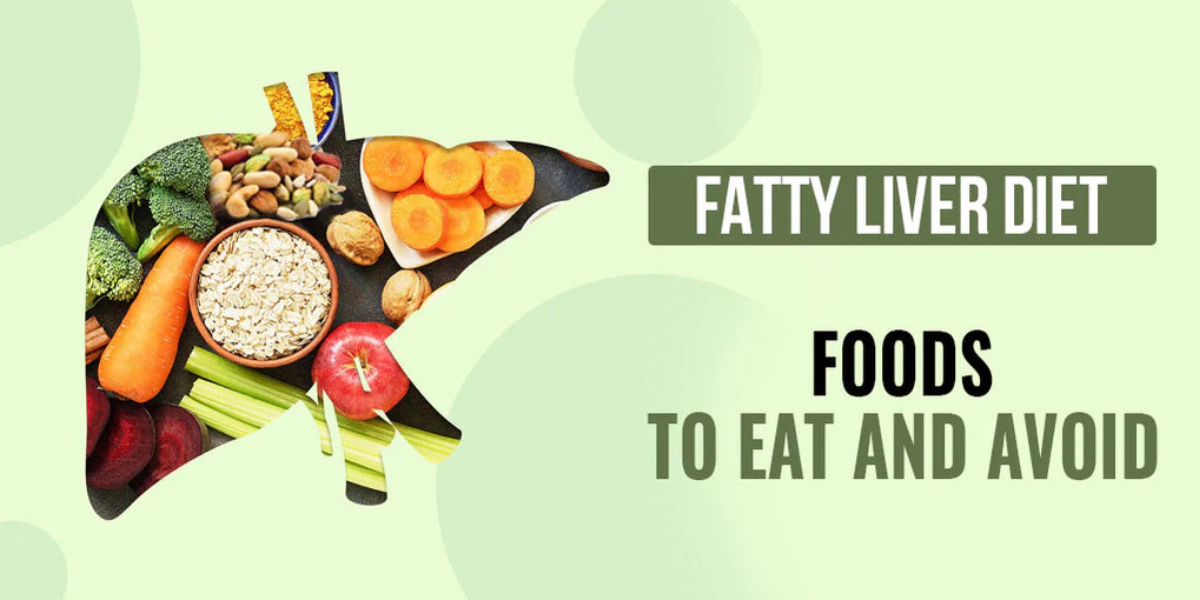
The effects of processed foods and sugary drinks extend far beyond weight gain or dental health—they strike at the core of the body’s metabolic powerhouse, the liver. By understanding the role the liver plays in maintaining overall health, we can make more informed food choices that protect this essential organ. In a world full of quick meals and tempting treats, prioritizing liver-friendly nutrition is an investment in long-term vitality and disease prevention.