How to Deal with Stress-Induced PCOS Flare-Ups
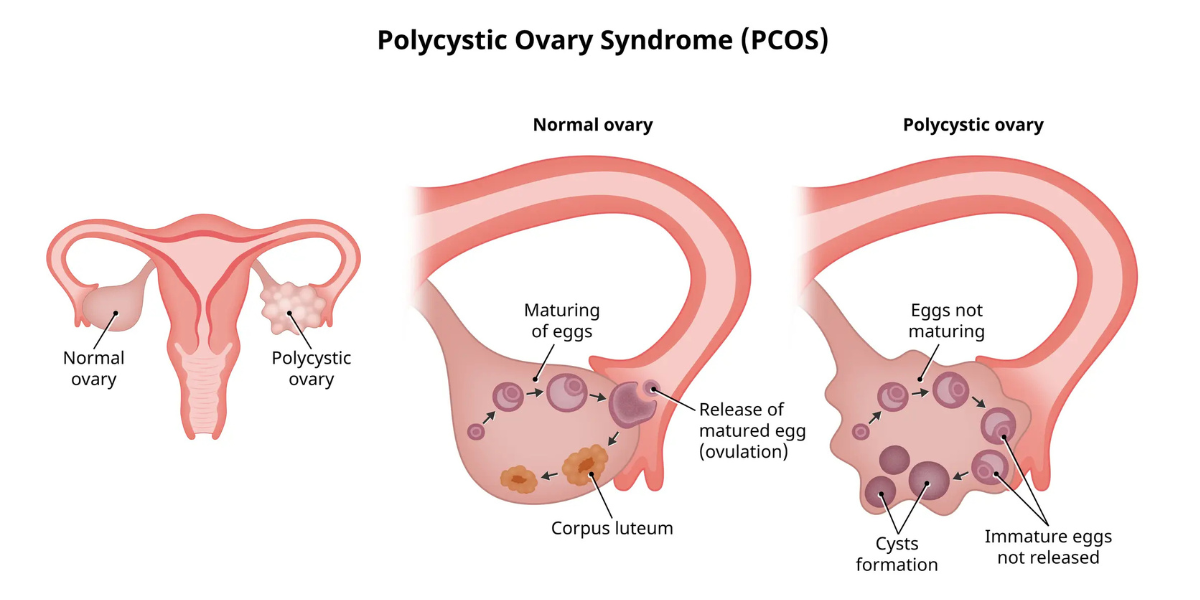
Polycystic Ovary Syndrome (PCOS) is a hormonal condition that affects millions of women worldwide, often causing irregular periods, weight gain, acne, and fertility issues. While its causes are multifactorial ranging from genetics to insulin resistance, one often underestimated trigger is stress. Emotional and physical stress can act as a powerful disruptor of hormonal balance, exacerbating PCOS symptoms or even triggering flare-ups. Understanding the link between stress and PCOS is the first step in managing its effects.
The Stress-PCOS Connection
Stress impacts the body in numerous ways, but for women with PCOS, it can wreak particular havoc on hormone levels. When you’re under stress, your body produces more cortisol - the stress hormone. Elevated cortisol can interfere with insulin regulation and androgen levels, both of which are already problematic in PCOS. This hormonal imbalance can worsen symptoms such as irregular cycles, increased facial hair, acne, and even weight gain. Moreover, stress can lead to poor sleep and unhealthy eating habits, creating a cycle that makes PCOS harder to manage.
Recognizing the Triggers
Not all stress is obvious. Daily pressures like deadlines, relationship tensions, lack of sleep, or even excessive exercise can silently raise stress levels. For women with PCOS, being attuned to these subtle stressors is crucial. Stress-induced flare-ups may show up as delayed periods, more severe cramps, sudden breakouts, or intensified fatigue. Recognizing when these symptoms align with periods of stress can help in taking timely steps to prevent a downward spiral.
Creating a Calmer Routine
One of the most effective ways to manage stress-induced PCOS symptoms is to establish a consistent, calming daily routine. This includes prioritizing quality sleep, which allows the body to reset hormone levels. Eating at regular intervals and choosing a balanced diet rich in fiber, lean proteins, and healthy fats can help stabilize blood sugar levels and reduce cortisol spikes. Gentle physical activities like walking, yoga, or stretching can be particularly beneficial not just for physical health but for releasing tension and improving mood.
Emotional Health and Support Systems
Mental and emotional health play a central role in managing PCOS. Cognitive behavioral therapy (CBT), journaling, or even talking to a therapist can provide tools to navigate stress more effectively. For many women, joining a support group of others with PCOS offers not just emotional validation but also shared tips and encouragement. Social connection can significantly lower perceived stress levels and help create a more positive outlook on managing the condition
Conclusion
Living with PCOS is a multifaceted journey, and stress can be a powerful influencer of how symptoms manifest and progress. Through mindful routines, emotional support, and integrated medical care, it’s possible to regain balance even during life’s most stressful moments. Taking care of your stress is not just self-care, it’s an essential part of managing PCOS.