The Science Behind Nerve Repair
The human nervous system is an intricate network of electrical highways that control everything from muscle movement to sensory perception and even internal organ function. When a nerve is damaged whether by injury, illness, or chronic condition, it disrupts communication within the body, often resulting in pain or loss of function. However, unlike some tissues that regenerate easily, nerve repair is a complex and delicate process.
Types of Nerve Damage and Their Impact
Nerves can be damaged in several ways. Physical trauma, such as cuts or crushing injuries, can sever or compress nerves. Medical conditions like diabetes, multiple sclerosis, or autoimmune diseases can damage nerves internally through inflammation or poor blood flow. The severity of the damage determines the healing potential. In general, peripheral nerves, the ones outside the brain and spinal cord have a better capacity to heal than central nervous system nerves, which include the brain and spinal cord.
The Role of the Nerve Cells
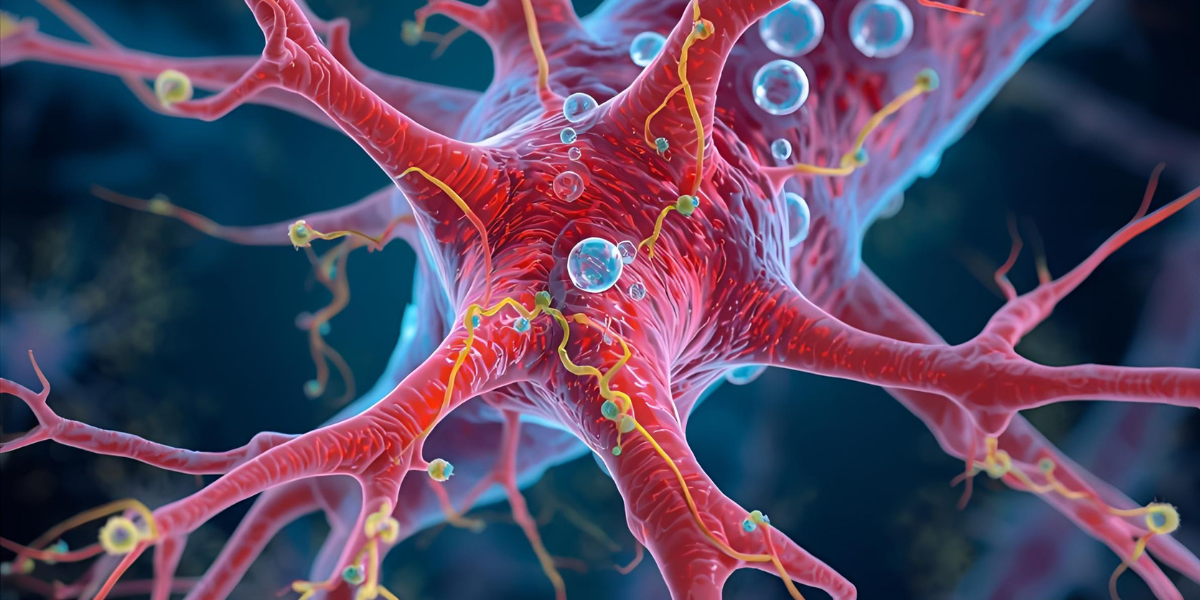
Nerve cells, or neurons, are composed of a cell body, dendrites (which receive signals), and axons (which transmit them). In many cases of nerve injury, it’s the axon that gets damaged. If the neuron’s cell body remains intact and the surrounding environment is favorable, the axon can begin to regenerate. This process starts with the degeneration of the damaged portion, followed by a slow but determined attempt by the nerve to regrow along its original path. Schwann cells—specialized cells in the peripheral nervous system—play a vital role by cleaning up debris and creating a guiding structure called the “regeneration tube” to help direct axon growth.
The Challenges of Regeneration
Nerve regeneration is a slow process, often progressing at a rate of about 1 millimeter per day. This means recovery from nerve injury can take weeks to months, depending on the location and extent of the damage. During this time, several challenges can arise. Scar tissue, poor blood supply, or ongoing inflammation can interfere with regrowth. Moreover, in the central nervous system, the lack of supportive cells like Schwann cells and the presence of growth-inhibiting molecules make regeneration far more difficult.
Supporting Natural Recovery
While some cases require medical intervention, the body has its own strategies for healing nerves. Good nutrition, physical therapy, and controlling underlying conditions like diabetes are crucial for supporting nerve health. Anti-inflammatory diets, adequate hydration, and specific vitamins particularly B vitamins and antioxidants can contribute to a more favorable environment for nerve repair. Importantly, rest and gradual, guided rehabilitation allow the body time to rebuild connections and regain strength.
Conclusion
Nerve repair is a testament to the body’s resilience and complexity. Though it’s often slow and unpredictable, it reflects a remarkable biological process that combines cellular activity, immune support, and structural regeneration. With the help of medical science and holistic care, many people with nerve damage can experience meaningful recovery. As our understanding of neural regeneration continues to evolve, the future holds even greater promise for restoring the delicate balance of the body’s electrical system.