Cancer Survivorship - Life After Treatment
Cancer survivorship refers to the phase in a person’s life after they have completed treatment for cancer. While cancer survivorship has traditionally been associated with the period after treatment ends, it encompasses the entire experience from diagnosis through treatment and beyond. As the number of cancer survivors continues to grow due to advances in detection and treatment, it’s essential to recognize the unique challenges and needs they face in the years following their diagnosis.
What is Cancer Survivorship?
According to the National Cancer Institute, a cancer survivor is anyone who has been diagnosed with cancer, from the moment of diagnosis through the remainder of their life. The survivorship phase often begins after treatment is completed, but the challenges of living with and beyond cancer can last a lifetime. The journey of cancer survivorship varies for each individual. While some may go on to live healthy, fulfilling lives, others may experience long-term side effects or the fear of cancer recurrence.
Physical Health After Cancer
One of the central concerns of cancer survivors is managing the long-term physical effects of cancer treatments. Treatments such as surgery, chemotherapy, radiation therapy and immunotherapy can have lasting impacts on the body.
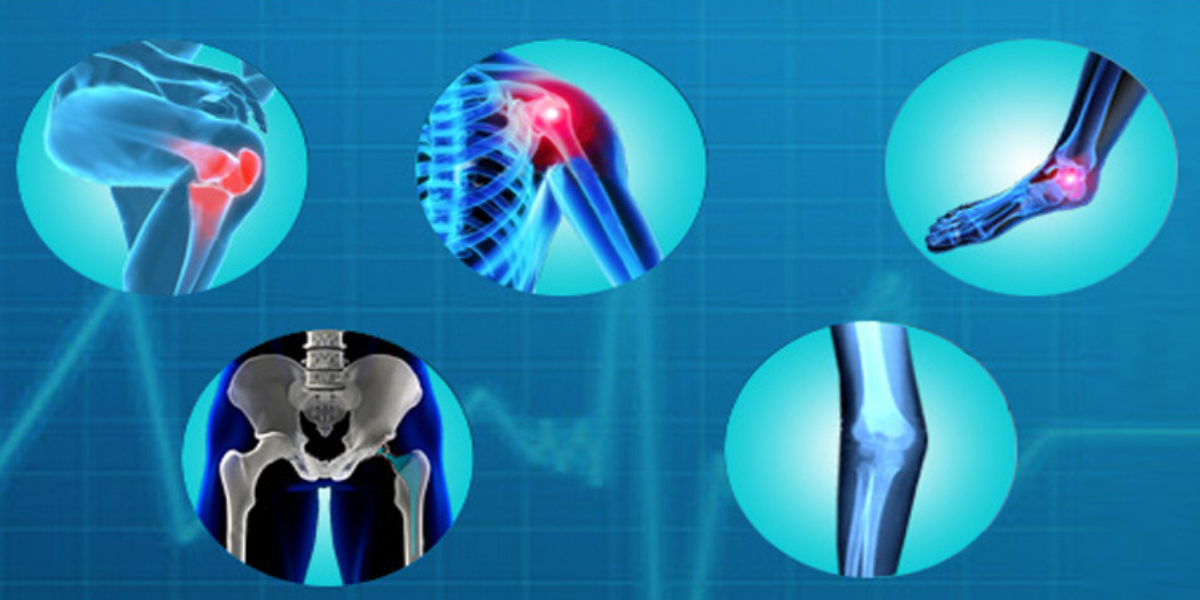
One of the most common and persistent side effects of cancer treatment is fatigue. Even after completing treatment, many survivors report feeling tired and lacking energy for months or years afterward. Chemotherapy and radiation can lead to chronic pain and neuropathy, which affects the nerves, leading to tingling or numbness in the hands and feet. Some cancer treatments can damage the heart or lungs, leading to cardiovascular issues or respiratory problems that require ongoing care.
Mental and Emotional Well-being
While surviving cancer is an immense accomplishment, it’s also important to recognize the emotional and psychological effects that come with survivorship. The fear of cancer recurrence, changes in body image, and the trauma of treatment can all contribute to emotional distress.
Many cancer survivors struggle with anxiety or depression, particularly due to the uncertainty of their future. The trauma of treatment, combined with the fear of recurrence, can lead to feelings of hopelessness or isolation. Cancer treatment can change a person’s appearance or alter their sexual function. Many survivors experience body image issues, which can impact self-esteem and relationships.
Cancer Survivorship Care Plan
A survivorship care plan is an essential part of life after cancer. This plan is a comprehensive guide that details the survivor’s cancer treatment history, ongoing health needs and recommended follow-up care. It typically includes:
• A schedule for routine check-ups and screenings to monitor for recurrence.
• A list of potential late effects from treatment and strategies for managing them.
• Guidelines for healthy lifestyle changes including exercise and nutrition recommendations.
A survivorship care plan ensures that cancer survivors continue to receive the medical attention they need while also empowering them to take an active role in their health and well-being.
Conclusion
The journey of cancer survivorship is unique to each individual, and while it can be challenging, it also holds the potential for new beginnings. Many survivors find strength in their experience, using their stories to inspire others and raise awareness about cancer. Survivorship is not just about surviving the disease—it’s about thriving after cancer.