


Blog
Learn something good today!
Your guide to medicinal wellness
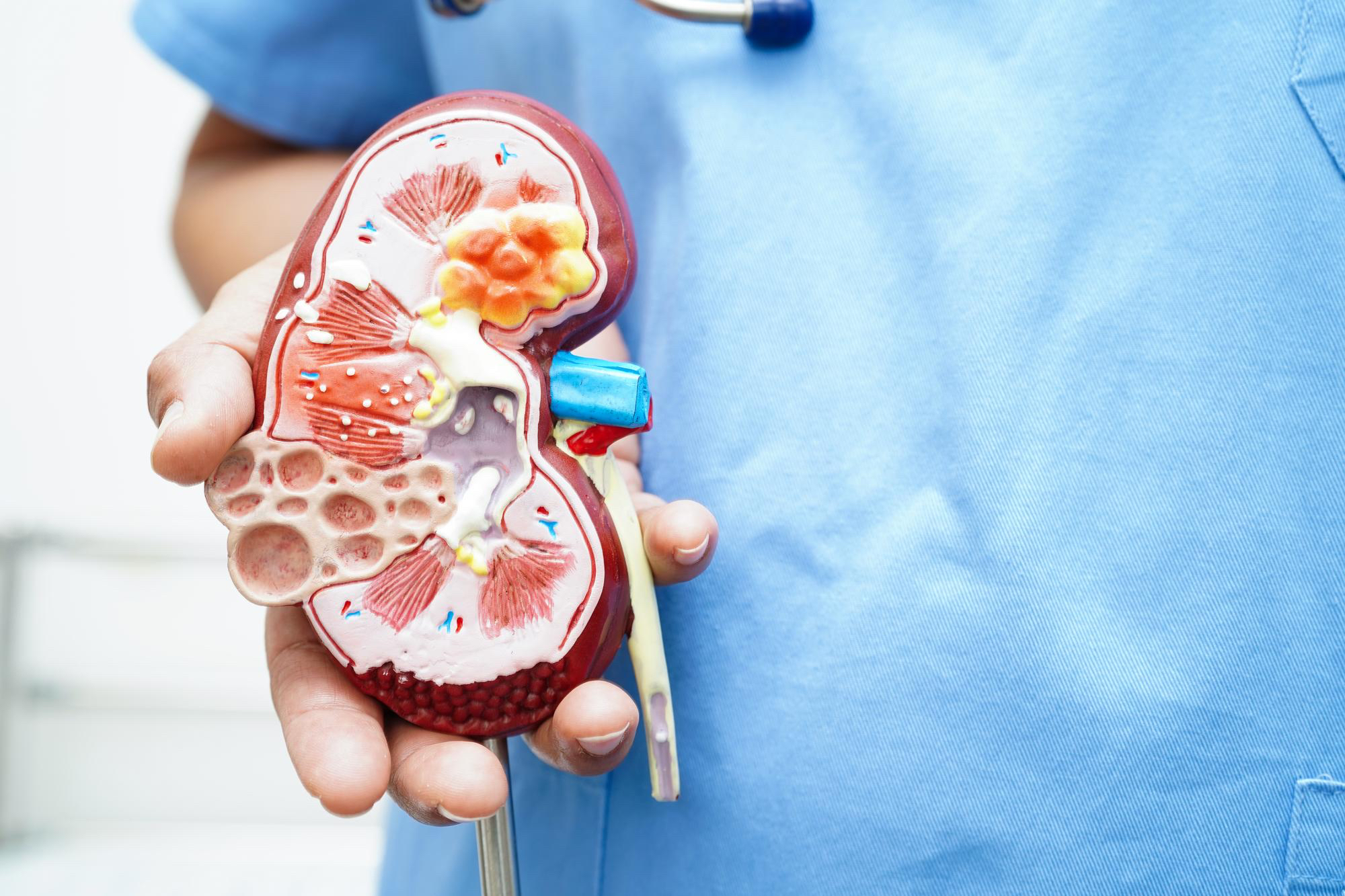
Your liver disease can affect you kidneys more than you think
Introduction
The liver is a remarkable organ known for its regenerative capabilities. It has the unique ability to repair and regenerate damaged tissue which enables it to recover from a wide range of injuries and insults. While the liver is indeed a regenerative organ with a remarkable capacity for self-repair, certain liver diseases can have detrimental effects on the kidney's problems. It's essential to monitor and manage liver diseases carefully as their progression can lead to kidney problems.
How liver and kidneys are related
The liver and kidneys are both involved in filtering and detoxifying the blood. The liver processes and metabolizes toxins, drugs and metabolic waste products from the bloodstream, converting many of them into water-soluble compounds that can be excreted by the kidneys. This collaboration helps eliminate waste and maintain the body's internal environment.
The liver produces urea, a waste product of protein metabolism which is eventually excreted by the kidneys in the form of urine. This process helps regulate nitrogen balance in the body.
Both organs play a role in regulating blood pressure. The liver helps regulate blood volume by producing proteins like albumin, which maintains oncotic pressure. The kidneys regulate blood pressure by controlling the volume of blood and the balance of electrolytes and hormones such as renin and aldosterone.
How liver diseases can impact the kidneys
Hepatorenal syndrome (HRS) is a potentially life-threatening condition in which liver dysfunction often associated with advanced liver disease (cirrhosis) leads to kidney diseases and dysfunction. As liver function declines, it can cause changes in blood flow to the kidneys, leading to a reduction in normal kidney function and the development of HRS.
When the liver is damaged or unable to detoxify the blood effectively, toxins and waste products can build up in the bloodstream. These substances can place additional stress on the kidneys potentially leading to acute kidney injury (AKI) or worsening of existing kidney problems.
Liver diseases can result in fluid retention in the abdominal cavity known as ascites. The accumulation of excess fluid can increase pressure on the blood vessels and impair kidney function potentially leading to kidney diseases and dysfunction.
Liver diseases can disrupt the balance of electrolytes in the body such as sodium and potassium. These imbalances can affect normal kidney function and lead to complications like dehydration or electrolyte abnormalities.
Conclusion
Taking good care of your liver is really important for the health of your kidneys. Your liver is like a superhero that can fix itself when it gets hurt, but if it's not working well because of various liver diseases, it can make your kidneys sick too. So it's best to keep your liver healthy by seeing a doctor regularly, making healthy lifestyle choices and following any medical advice you get. This way, you're not only helping your liver but also keeping your kidneys in good shape which is essential for your overall health.

Why you need to take extra care for your bones post menopause
Introduction
Menopause is an event that occurs in every women’s life once they turn a certain age. As we all know, the estrogen levels in the body starts declining resulting in the cessation of periods and fertility. But is this declining estrogen anyway related to your bone health? Does the occurrence of menopause lead to weakness in your bones or muscle fatigue? The answer is yes, menopause and bone health infact are interlinked to one another and that’s why you need to take appropriate measures to make sure that your bones stay strong even after menopause.
How estrogen affects bones and muscles
The estrogen in your body helps to enhance the absorption of calcium from your intestines which contributes in strengthening bones as well as helps to prevent excessive bone loss. It provides like a balance between bone formation and bone breakdown which helps us maintain optimal bone density. However, during menopause, when estrogen levels decline, this effect also diminishes leading to an increased risk of bone loss that causes consistent joint pain. As bone loss makes your bones really fragile, you become more susceptible to osteoporosis and bone fractures.
Not just your bones, but estrogen also helps in maintaining muscle mass by promoting protein synthesis. It helps in muscle contraction that gives you extra strength during activities that require muscle exertion. It also boosts energy production within muscle cells however, a decline in estrogen levels will lead to a decrease in the energy production, a gradual loss of muscle mass and a decrease in muscle strength, which will lead to increased muscle fatigue
How to support bone and muscle health
Make sure that you are consuming enough calcium daily. It could either be through your diet like consuming dairy products and green leafy vegetables, or you can also take calcium supplements. Vitamin D is very important for the absorption of calcium so make sure you are getting proper sun exposure. Nutraceuticals can offer great combination of important nutrients required for everyday nutritional meets as well as help to target specific concerns like joint pain. Regular exercise on the other hand, can help you build and maintain muscle mass.

Enhancing male fertility with ginsperm
Introduction
Male infertility is a common concern that affects countless couples worldwide. However, advancements in science and medicine have led to the development of innovative solutions to address this issue. One such breakthrough is GinSperm, a unique formulation containing Korean Red N-216, a potent ingredient that has shown promising results in improving male fertility. In this blog, we will delve into the benefits of GinSperm and explore how its key ingredient, Korean Red N-216, enhances sperm count, quality, hormonal balance, and overall reproductive health.
Korean Red N-216
GinSperm stands out due to its inclusion of Korean Red N-216, a powerful ingredient that offers significant benefits for male fertility. Korean Red N-216 is a cyclic adenosine monophosphate-responsive element modulator, which means it plays a crucial role in regulating gene expression related to male reproductive health. This unique compound has been scientifically studied and has shown promising results in improving fertility parameters in men.
Enhancing Sperm Count, Motility, and Morphology
GinSperm, fortified with Korean Red N-216, effectively improves key aspects of sperm health. It enhances sperm count, which is essential for increasing the chances of successful conception. Additionally, it improves sperm motility, ensuring that sperm can move effectively towards the egg. Moreover, GinSperm promotes optimal sperm morphology, enhancing the shape and structure of sperm, which is crucial for successful fertilization.
Boosting Testosterone Levels and Sperm Production
Testosterone, the primary male sex hormone, plays a vital role in sperm production. GinSperm, with its key ingredient Korean Red N-216, increases testosterone levels and enhances androgen receptor activity. This combination promotes healthy sperm production, ensuring a higher quantity of quality sperm, and improving overall fertility.
Balancing Hormone Status and Reducing Stress
Stress and anxiety can negatively impact male fertility by disrupting hormone balance. GinSperm addresses this concern by reducing stress and anxiety levels. By balancing hormone status, it creates a favorable environment for optimal reproductive function and increases the chances of successful conception.
Enhancing Erectile Function and Overall Health
Erectile dysfunction can be a contributing factor to male infertility. GinSperm supports erectile function by increasing nitric oxide production, a compound that helps relax blood vessels and improves blood flow to the reproductive organs. Furthermore, GinSperm reduces oxidative stress, a common cause of sperm damage, thereby improving overall sperm health and fertility. By supporting overall health and well-being, GinSperm enhances the chances of successful conception.
Supporting Reproductive Organ Health and Immune System
GinSperm not only targets sperm health but also supports the overall health of reproductive organs. By improving blood circulation to these organs and reducing inflammation, it creates an optimal environment for reproductive function. Additionally, GinSperm supports the immune system, ensuring the body's defense mechanisms are functioning optimally, which is vital for maintaining reproductive health.
Conclusion
Male infertility can be a challenging obstacle on the path to parenthood, but with advancements in science and innovative formulations like GinSperm, hope is within reach. GinSperm, with its unique ingredient Korean Red N-216, offers a holistic approach to improving male fertility. By enhancing sperm count, quality, testosterone levels, and overall reproductive health, GinSperm empowers men on their journey to fatherhood. With its ability to reduce stress, improve erectile function, and support the immune system, GinSperm goes beyond addressing fertility concerns and promotes overall well-being. Consider adding GinSperm to your fertility regimen and embark on the path to enhanced male fertility and the dream of starting or expanding your family.

How movement will help your back pain
Introduction
Back pain is an issue that affects people of all ages and lifestyles. Whether it's caused by poor posture, muscle strain, lack of exercise or certain underlying conditions, finding relief is essential for maintaining mobility and overall well-being.
When experiencing back pain, the instinct may be to rest and avoid movement. However, in many cases, staying sedentary can make the symptoms worse and lead to further discomfort. Movement on the other hand promotes blood flow, strengthens muscles and improves flexibility, all of which works great for supporting the spine and reducing pain.
Therefore, it's essential to prioritize movement and activity in everyday life. Simple changes such as taking frequent breaks from sitting, practicing good posture and incorporating gentle movements throughout the day can make a significant difference in managing back pain and promoting spinal health.
Exercise that you can do for your back pain
Regular exercise is one of the most effective ways to manage back pain and prevent future episodes. Low-impact exercises such as walking, swimming and cycling can help strengthen the muscles in the back and core, providing stability and support for the spine. However, remember to start slowly and gradually increase the intensity and duration of your workouts to avoid overexertion and injury.
Yoga is a great option as well to relieve back ache
Yoga offers back pain management by combining physical postures, breathing techniques and meditation to promote healing and relaxation. Specific yoga poses such as cat-cow stretch, child's pose, superman stretch and downward-facing dog, target the muscles along the spine helping to release tension and discomfort.
Physical Therapy for Back Pain
Physical therapy is a tailored approach to back pain management, guided by a trained professional who can assess individual needs and develop a personalized treatment plan. Through targeted exercises, manual techniques and therapeutic modalities, physical therapists address muscle imbalances and improve posture. Moreover, they provide education on injury prevention and self-management strategies to empower patients on their journey to recovery.
Conclusion
Back pain can be a challenging condition but with the right approach, relief is possible. By embracing movement through exercise, yoga and physical therapy, individuals can strengthen their bodies and find relief from discomfort. Whether it's a gentle walk or a yoga session, taking proactive steps towards movement and mobility is key to living a life free from back pain.